
Deeplight Technology Co., Ltd | Widevine DRM L1 Certification Services for Linux-Based Devices
1. What is Widevine DRM L1 Certification?
Widevine DRM L1, short for Widevine Digital Rights Management Level 1, is a digital content protection technology developed by Google. It secures the transmission, storage, and playback of digital content such as video and audio through encryption, authorization verification, and tamper-proof mechanisms to prevent illegal copying and piracy.
Currently, Google’s Widevine solution dominates over 70% of the global market and is widely adopted by major streaming platforms such as Netflix, Disney+, and YouTube Premium. Widevine includes three security levels: L1 (highest), L2, and L3. The higher the level, the more robust the security. Devices eligible for Widevine certification primarily run on Android, Linux, or Chrome OS.

2. Widevine Certification Process and Timeline for Linux Systems
1. Eligibility Confirmation for chipsets, OS, and devices (1–2 weeks)
2. Project Initiation & Key Issuance (1–4 weeks)
3. Integration by the Applicant, including CDM code and Widevine key integration
4. Initial Testing conducted by Deeplight (1–2 weeks)
5. Validation Testing (1–2 weeks)
6. Google Review and Approval (4–6 weeks)
3. Key Differences Between Linux and Android in Widevine Certification
Testing Requirements: Android devices must pass CTS (Compatibility Test Suite), which Deeplight supports with an established test environment, engineers, and tools. Linux devices do not require CTS.
Player Compatibility: Android AOSP devices are equipped with ExoPlayer, which includes streaming and DRM license server URLs required for certification. Linux systems lack a native player like ExoPlayer. Thus, manufacturers must implement their own player capable of:
Playing encrypted MPEG-DASH streams
Integrating Widevine CDM
Requesting DRM licenses via URL
Supporting offline key playback
Device Types: Android certification typically targets integrated devices (TVs, tablets), while Linux certification is suited for more fragmented categories such as embedded systems, desktops, and servers.
4. Test Scope for Widevine L1 Certification on Linux Devices
Linux-based Widevine L1 testing primarily includes:
Integration Test Matrix
Encryption Module Validation
5. Required Documentation for Widevine L1 Certification
To initiate the Widevine L1 certification process, the following materials are needed:
1. Application Specification Sheet – includes detailed device and CDM (Content Decryption Module) information for evaluation
2. Signed MLA Agreement (Widevine Master License Agreement)
3. Chipset Information
4. Four Sample Devices and supporting accessories for testing
6. Why Obtain Widevine L1 Certification?
1. Mandatory Requirement for Major Streaming Platforms
Widevine L1 certification is a prerequisite for accessing premium streaming services like Netflix, YouTube, and Disney+. Devices without certification are either blocked or limited to low-resolution playback of encrypted content.

2. Compatibility Assurance
The certification process includes compatibility testing with other major DRM systems (e.g., Microsoft PlayReady, Apple FairPlay) and ensures seamless operation across Android, Linux, and ChromeOS platforms.
3. Competitive Market Edge
L1-certified devices offer higher content quality and security, giving them a significant advantage in markets demanding high-definition playback and compliance with digital content distribution standards.
Deeplight has successfully helped numerous companies in the TV, automotive, tablet, smartphone, and video service sectors obtain Widevine certification and acquire large volumes of Widevine keys. We also offer assistance with other Google-related certifications including MADA, EDLA, TADA, as well as Netflix and Prime Video testing services.
Feel free to contact us to discuss your project requirements.
-
Notification on the Deadline for Google Widevine L1 DRM Certification Applications for Android 11 and 12
Due to Google Widevine‘s latest security and policy upgrades — aimed at ensuring the security and compliance of the digital rights management (DRM) ecosystem — Google has now officially terminated the acceptance of new Widevine L1 DRM certification applications for Android 11, Android 12, and all lower versions. The minimum currently acceptable version is Android 13.2026-08-07
-
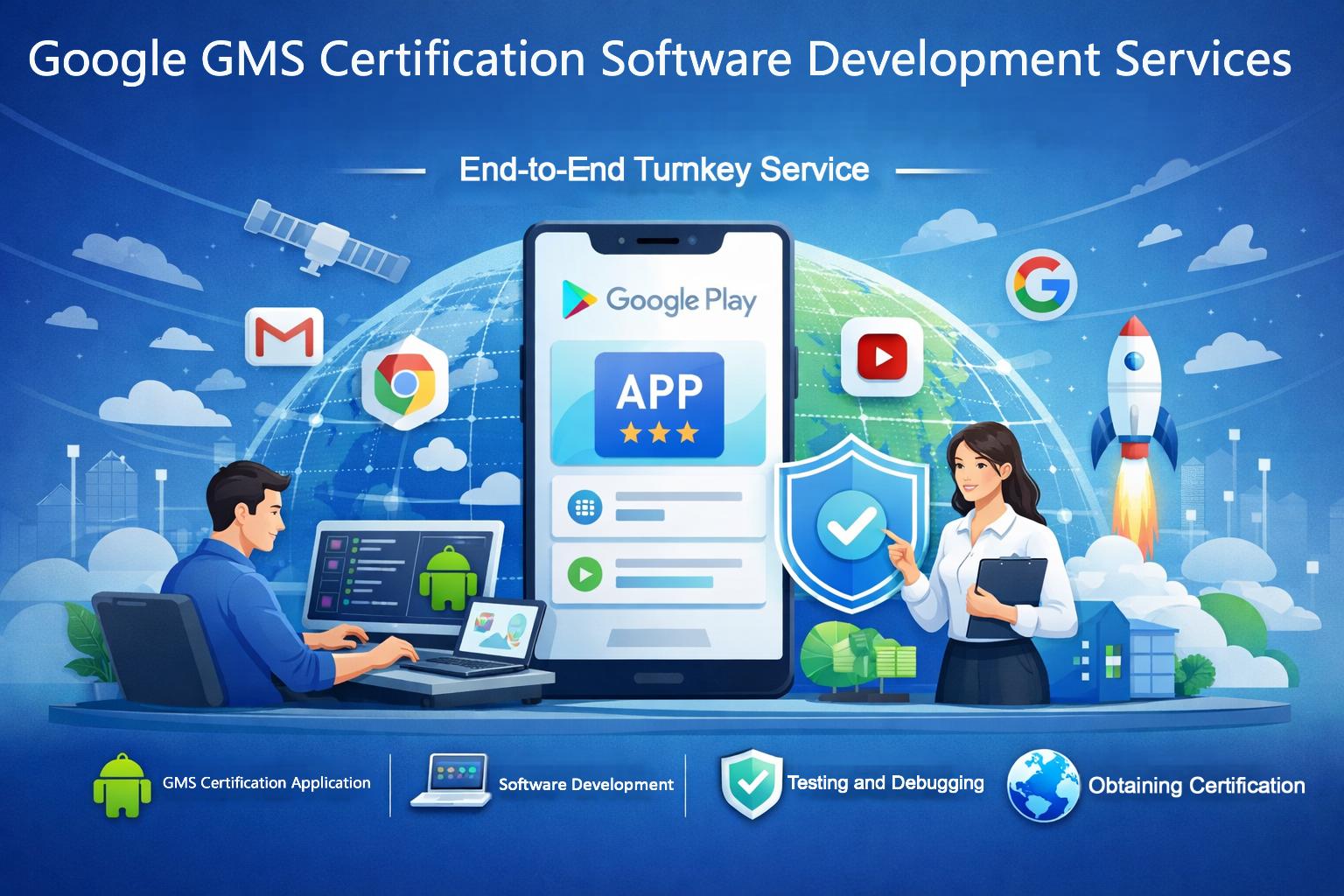
Google GMS Certification Software Development Services: Is GMS certification difficult? From testing to debugging, we offer a ‘one-stop, all-inclusive’ service
Android device manufacturers frequently encounter challenges during the Google GMS certification process, particularly regarding the complexity of bug fixes and delays in the certification cycle. As Android versions are updated, certification requirements become increasingly stringent.By offering a comprehensive, one-stop service covering everything from authorisation and testing to bug fixes and final certification.2026-07-23
-

Comprehensive services for Google GMS Keys/Google Keys and Widevine Keys, including application, flashing, splitting, testing, rewriting, and porting
Many enterprises frequently encounter the following issues during mass production, certification application, system upgrades or hardware modifications:
How to apply for Google Keys?
How to complete Widevine L1 certification?
How to securely flash keys onto devices?
Can keys be migrated after replacing the device mainboard?
How to split and import keys in batches for factory mass production?
How to verify whether keys are flashed successfully
Are GMS certification failures related to keys2026-06-13
-

Google Android Digital Car Key Testing and Certification Service
Google Android's Digital Car Key certification is based on the CCC (Car Connectivity Consortium) Digital Key global standard. As a core member of the CCC, Google recognizes this certification and supports product integration with Google Wallet. Additionally, there are specific requirements for in-vehicle systems when used with Google Android devices.2026-04-01
-

Google Works with Google Home/WWGH Certified Service
The “Works with Google Home” (WWGH) certification is an official device compatibility program launched by Google. It is designed to ensure that third-party smart hardware integrates seamlessly with the Google Home ecosystem and supports management via Google Assistant voice control and the Home app.2026-04-01