
Understanding Google's TADA Agreement and the Android TV Certification Process
I. What is Google's TADA Agreement, and How Does It Relate to Android TV Certification?
TADA is one of the many Agreements within Google's GMS (Google Mobile Services) certification. Google has introduced different Agreements for various product categories, such as TADA, MADA, EDLA, and GAS, each designed for specific types of products.
Devices running the Android operating system must obtain Google's GMS certification to use Google apps like the Play Store, Google Maps, Google Search, YouTube, and more. Before applying for certification, the relevant agreement, such as TADA, must be in place. Without these agreements, the certification process cannot proceed.
Therefore, for Android TV devices to gain certification from Google, they must first comply with the TADA Agreement. Once approved by Google, various documents, such as the GTVS package for TV products, must be submitted as part of the certification process.

II. Android TV Certification Process
1. Sign a business cooperation agreement.
2. Complete the certification application form, and sign the NDA and ACC agreements after receiving an email from Google.
3. Apply for the whitelist and request the GTVS package.
4. Provide a prototype with integrated software for testing.
5. Once testing is passed, upload the report and wait for Google's approval to complete the certification.
III. Differences Between Android TV and Android AOSP
Compared to AOSP, Android TV offers the following features:
1. Leanback Launcher (TV home screen)
2. Google Services (apps like Google Play, YouTube, Play Movies & TV, Play Games, etc.)
3. Search and Google Assistant
4. Google Cast (audio and video streaming Agreement)
5. GOTA (Google Over The Air updates)
IV. What is the Difference Between Android TV Certification Tests and Other GMS Tests? How Do the TADA, MADA, and EDLA Agreement Tests Differ?
Most of the test content is the same across these Agreements, with Android TV adding one additional test point:
1. CTS (Compatibility Test Suite)
2. GTS (Google Mobile Services Test Suite)
3. CTS-ON-GSI (Compatibility Test Suite on Generic System Image)
4. VTS (Vendor Test Suite)
5. STS (Security Patch Test Suite)
6. CTS-V (similar to CTS, but requires manual testing)
7. TVTS (a specific test module within TVTS for Android TV, focused on testing system health and robustness. This includes tasks like checking the weather or launching YouTube via Google Voice Assistant, also known as Katniss.)
V. Android TV Certification Timeline, Google TADA Certification Duration
1. Apply for Google certification approval (1-2 weeks).
2. Complete pre-testing for all test items (around 1-2 weeks).
3. Start bug fixing, which typically takes 1-2 months depending on the applicant's software capabilities.
4. Once pre-testing is passed, submit the product for 3PL (third-party lab) testing. After passing 3PL testing, submit the report to Google for approval, which takes around 3 weeks in total.
If you have any questions about Google Android TV TADA certification, feel free to contact us. We also handle certifications for other Google Agreements such as EDLA, MADA, Google Auto, Google Lens, Google ARCore, Google Android Watch, GTV, Google Fast Pair, and spatial audio certification for earphones.
-
Notification on the Deadline for Google Widevine L1 DRM Certification Applications for Android 11 and 12
Due to Google Widevine‘s latest security and policy upgrades — aimed at ensuring the security and compliance of the digital rights management (DRM) ecosystem — Google has now officially terminated the acceptance of new Widevine L1 DRM certification applications for Android 11, Android 12, and all lower versions. The minimum currently acceptable version is Android 13.2026-08-07
-
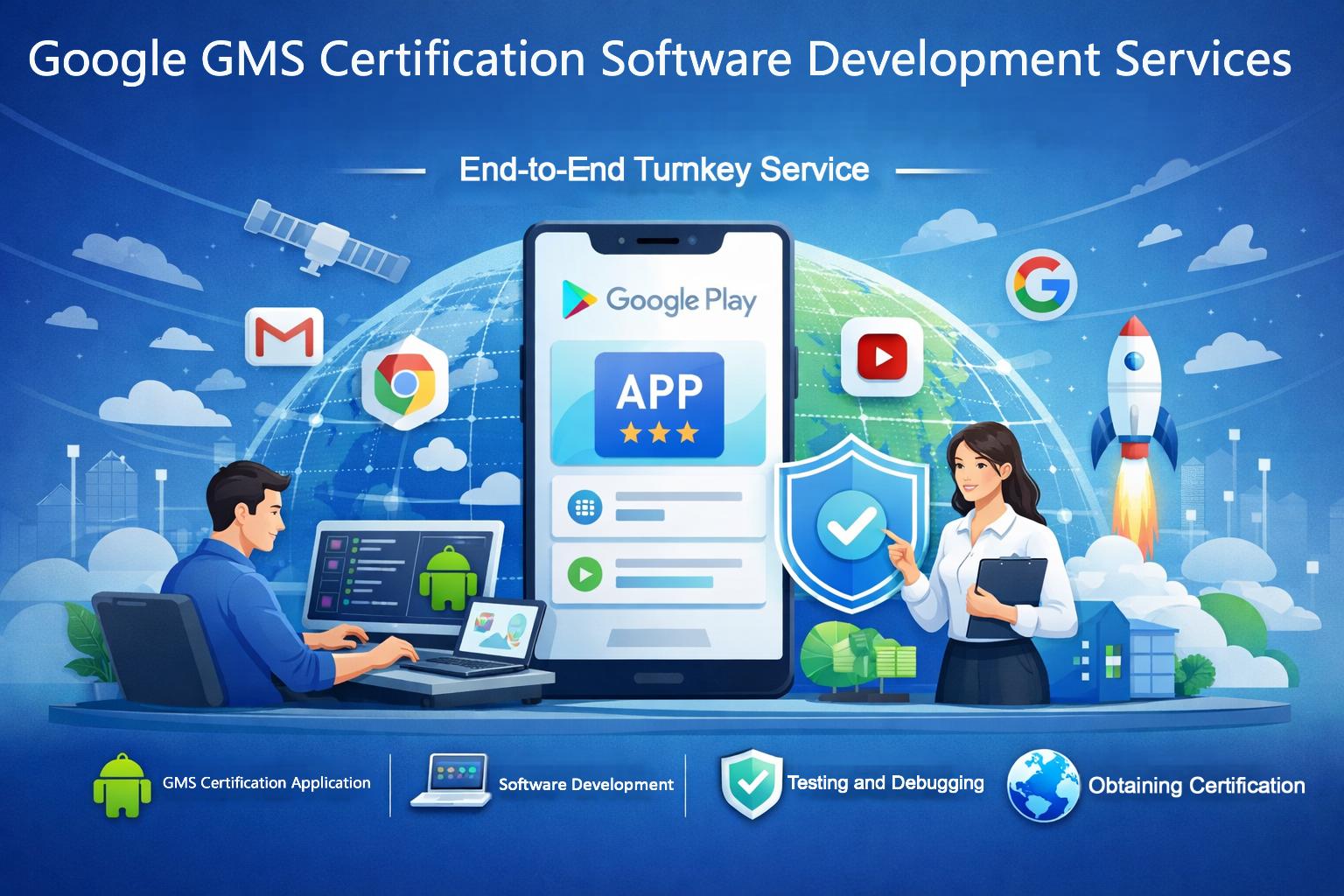
Google GMS Certification Software Development Services: Is GMS certification difficult? From testing to debugging, we offer a ‘one-stop, all-inclusive’ service
Android device manufacturers frequently encounter challenges during the Google GMS certification process, particularly regarding the complexity of bug fixes and delays in the certification cycle. As Android versions are updated, certification requirements become increasingly stringent.By offering a comprehensive, one-stop service covering everything from authorisation and testing to bug fixes and final certification.2026-07-23
-

Comprehensive services for Google GMS Keys/Google Keys and Widevine Keys, including application, flashing, splitting, testing, rewriting, and porting
Many enterprises frequently encounter the following issues during mass production, certification application, system upgrades or hardware modifications:
How to apply for Google Keys?
How to complete Widevine L1 certification?
How to securely flash keys onto devices?
Can keys be migrated after replacing the device mainboard?
How to split and import keys in batches for factory mass production?
How to verify whether keys are flashed successfully
Are GMS certification failures related to keys2026-06-13
-

Google Android Digital Car Key Testing and Certification Service
Google Android's Digital Car Key certification is based on the CCC (Car Connectivity Consortium) Digital Key global standard. As a core member of the CCC, Google recognizes this certification and supports product integration with Google Wallet. Additionally, there are specific requirements for in-vehicle systems when used with Google Android devices.2026-04-01
-

Google Works with Google Home/WWGH Certified Service
The “Works with Google Home” (WWGH) certification is an official device compatibility program launched by Google. It is designed to ensure that third-party smart hardware integrates seamlessly with the Google Home ecosystem and supports management via Google Assistant voice control and the Home app.2026-04-01